

What is Himalayan Shilajeet and Its Origins
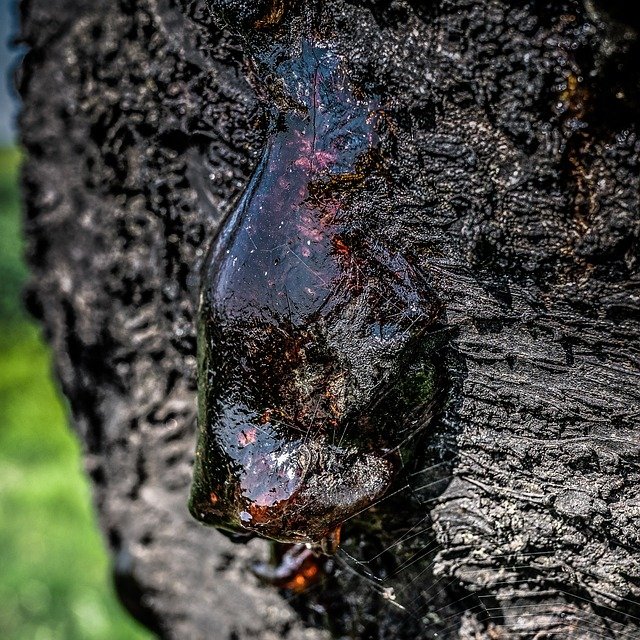
Himalayan Shilajeet is a natural resinous substance that is found primarily in the high-altitude regions of the Himalayas. Formed over centuries as a result of the decomposition of plant material combined with minerals in the rocky terrain, Shilajeet is characterized by its rich composition of fulvic acid, humic acid, and various trace minerals. The mineral-rich characteristics contribute to its reputation as a powerful natural nutrient, often utilized in traditional medicine systems, particularly Ayurveda.
The historical usage of Shilajeet dates back thousands of years, where it has been revered for its healing properties and restorative benefits. In Ayurvedic medicine, it is traditionally considered a potent adaptogen, which helps the body adapt to stress and promotes overall health and well-being. Ancient texts describe Shilajeet as a revitalizing tonic that enhances energy levels, supports cognitive function, and improves vitality. This traditional knowledge reflects the cultural significance of Shilajeet, as it has been utilized across generations for both physical and spiritual healing.
Geographically, Shilajeet is primarily harvested in several regions across the Himalayas, including parts of India, Nepal, and Bhutan. This resin is typically found oozing from the rocks during the warmer months when temperatures rise and the mountain ice begins to melt. The ecological conditions of high-altitude environments, including altitude, temperature variations, and specific vegetation, play a pivotal role in the formation of Shilajeet. The combination of these factors creates a unique microclimate conducive to the collection of this natural resin. Understanding its origins provides insights into not only its composition but also its historical importance in various cultures throughout history.
Health Benefits and Uses of Himalayan Shilajeet
Himalayan Shilajeet, a natural resin found in the mountains of the Himalayas, has garnered attention for its extensive range of health benefits. It is notably recognized as a powerful adaptogen, which means it aids the body in adapting to stress and balancing bodily functions. This herbaceous substance is rich in minerals, vitamins, and other bioactive compounds that contribute to its therapeutic properties.
One of the most significant benefits of Himalayan Shilajeet is its antioxidant properties. Antioxidants play a crucial role in neutralizing harmful free radicals in the body, thereby reducing oxidative stress and protecting cells from damage. This property is vital for maintaining overall health and can significantly lower the risk of chronic diseases.
Furthermore, Shilajeet is known to enhance energy levels and physical performance. Athletes and fitness enthusiasts often incorporate it into their regimen to combat fatigue and improve stamina. Studies have suggested that the resin increases the production of adenosine triphosphate (ATP), which is essential for energy when performing physical activity. Additionally, this potent substance may benefit cognitive function by improving mental clarity and focus, proving advantageous for individuals engaging in mentally demanding tasks.
Scientific research supports many of these claims, particularly its role in enhancing vitality and energy. Several studies have indicated that regular consumption can lead to improved endurance and faster recovery from physical exertion. However, it is also essential to understand potential side effects and recommended dosage. While Himalayan Shilajeet is generally considered safe for most individuals, it is advisable to consult a healthcare professional prior to incorporating it into one’s health regimen. Respecting dosage guidelines mitigates the risk of adverse effects and maximizes the benefits derived from this extraordinary natural resin.




Reviews
There are no reviews yet.